Learning Hybrid-Control Policies for High-Precision In-Contact Manipulation Under Uncertainty
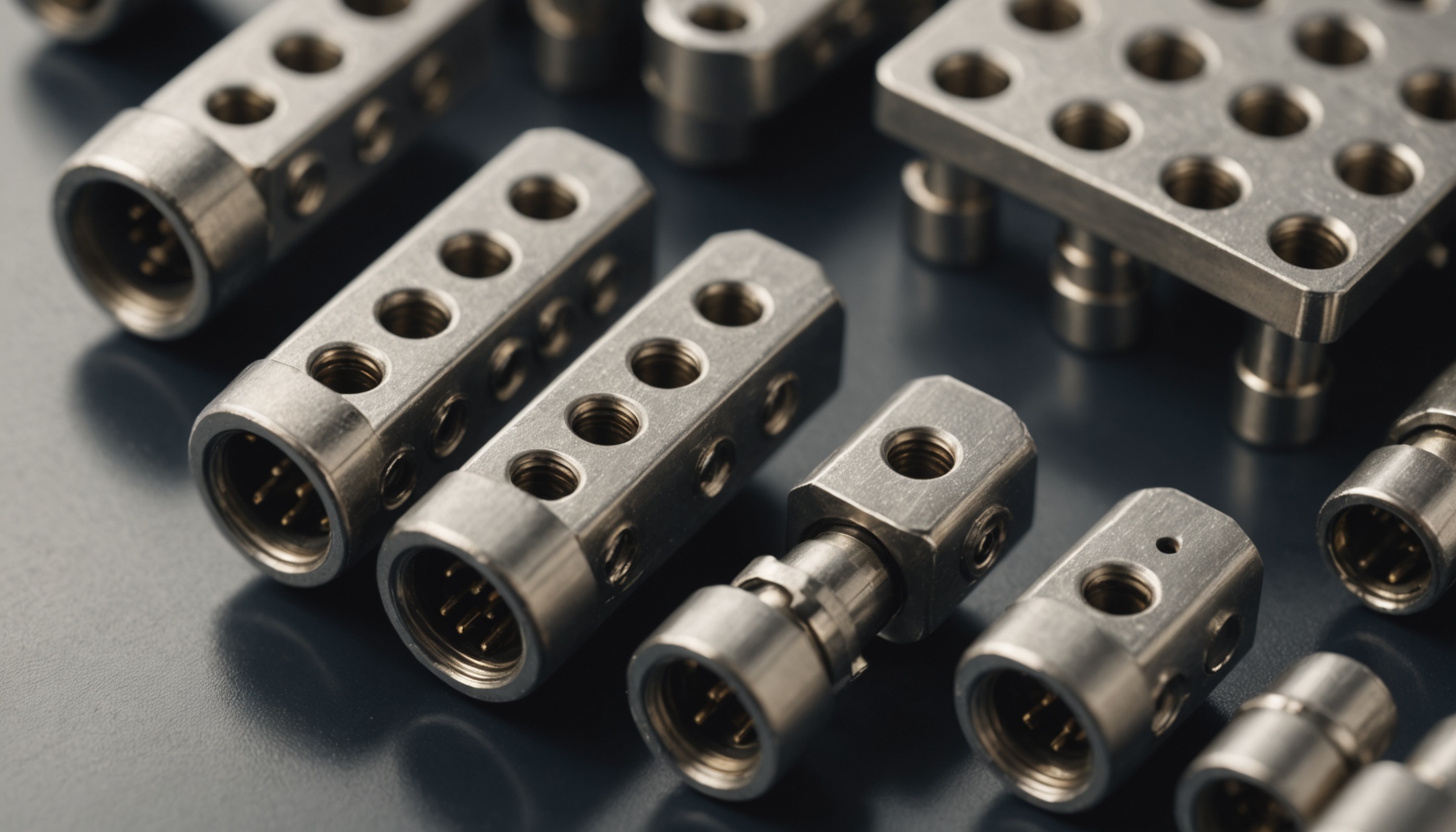
Researchers propose hybrid position-force control policies that let reinforcement learning agents dynamically switch between force and position control for delicate manipulation tasks like connector insertion. A new training method called MATCH improves learning efficiency by handling contact mode transitions.
Modelwire context
ExplainerThe core challenge MATCH addresses is not manipulation itself but the instability that occurs at the moment of switching between control modes, a transition that standard RL training tends to handle poorly because contact dynamics change abruptly and reward signals become sparse exactly when precision matters most.
This paper sits in the same current of research that MIT Technology Review traced in 'How robots learn: A brief, contemporary history' (April 17), which noted the persistent gap between general robotic ambition and the narrow, contact-heavy tasks that actually get deployed in industry. Connector insertion is a canonical example of that narrow-but-hard category. Physical Intelligence's pi0.7 announcement (covered here April 16) represents the generalist end of the spectrum, where the bet is on broad task transfer. MATCH represents the opposite bet: that high-reliability industrial tasks require specialized control architectures rather than scale alone. Neither approach is obviously wrong, and the tension between them is worth tracking as both lines of work mature.
Watch whether MATCH's contact-mode transition method gets adopted or cited in follow-on work from Physical Intelligence or similar generalist robotics labs within the next 12 months. If it does, that suggests the generalist approach still needs specialized contact primitives underneath. If it doesn't, the generalist scaling path may be absorbing this problem implicitly.
This analysis is generated by Modelwire’s editorial layer from our archive and the summary above. It is not a substitute for the original reporting. How we write it.
MentionsMATCH · reinforcement learning
Modelwire Editorial
This synthesis and analysis was prepared by the Modelwire editorial team. We use advanced language models to read, ground, and connect the day’s most significant AI developments, providing original strategic context that helps practitioners and leaders stay ahead of the frontier.
Modelwire summarizes, we don’t republish. The full content lives on arxiv.org. If you’re a publisher and want a different summarization policy for your work, see our takedown page.