Watch These Judges Rip Into Lawyers For Citing Cases That Don't Exist
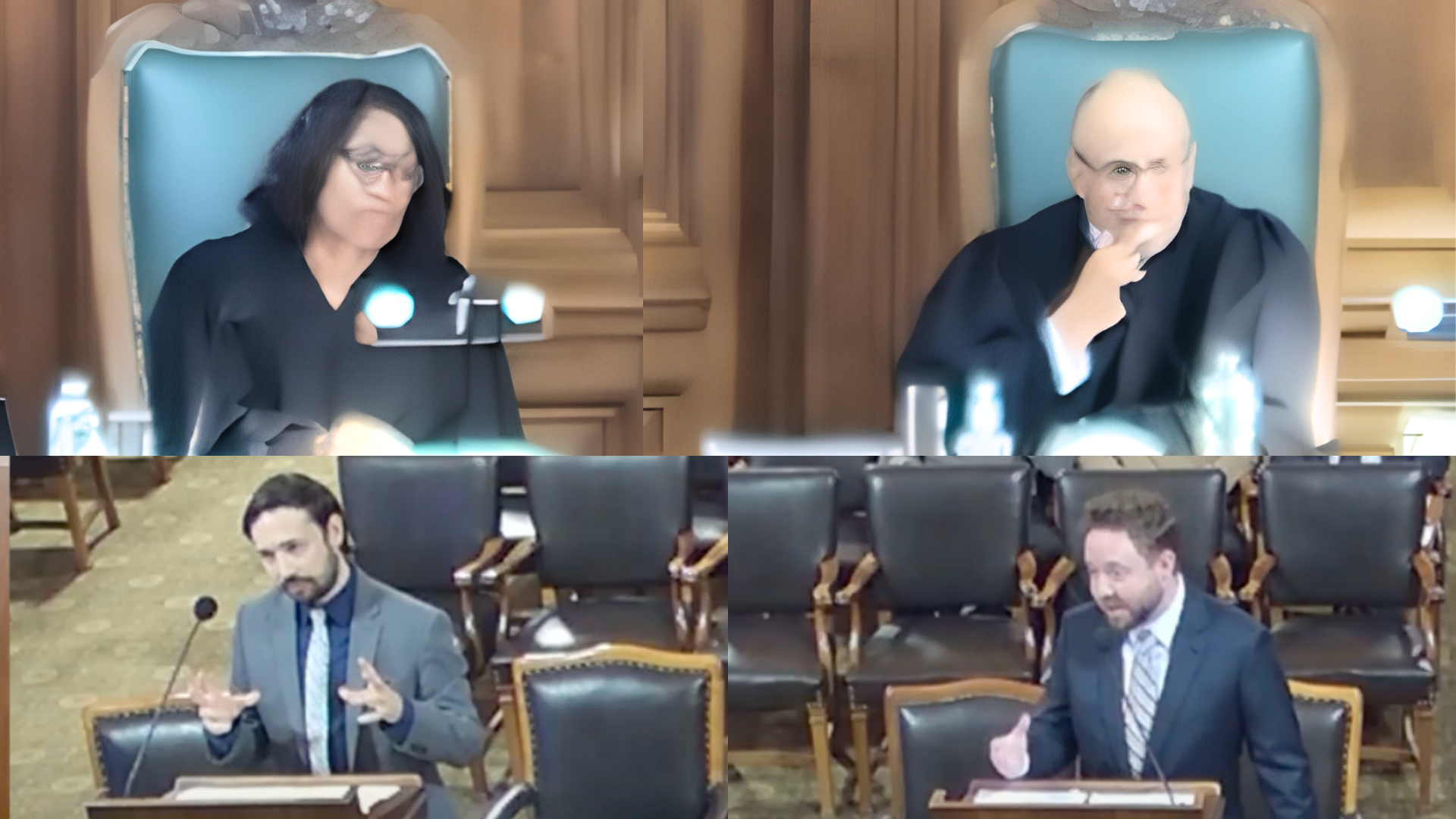
Lawyers have submitted fabricated case citations to courts, raising urgent questions about how LLM-generated legal research is entering the judicial system without adequate human review. The incident exposes a critical failure mode in AI-assisted legal work: when language models hallucinate plausible-sounding case names and citations, busy practitioners may fail to validate outputs before filing. Courts are now publicly shaming the bar for this negligence, signaling that AI-assisted legal practice requires mandatory verification protocols. This marks a watershed moment for professional liability and AI governance in high-stakes domains where false citations carry real consequences.
Modelwire context
Analyst takeThe real story isn't that lawyers are filing bad citations, it's that courts are now creating a public record of sanctions and rebukes, which means malpractice insurers, bar associations, and law firm risk committees are being handed documented precedent to act on. The liability surface is shifting from theoretical to actuarial.
Florida's lawsuit against OpenAI, covered here on June 1st, tests whether AI companies bear product liability for downstream harms. The legal citation scandal runs the same liability logic in reverse: here it's the practitioner, not the vendor, absorbing the institutional penalty. Together these two stories sketch out a liability distribution problem that the legal system hasn't resolved yet. Neither the bar nor AI vendors have established clear ownership of verification duty, and courts are effectively forcing that negotiation by shaming practitioners publicly before any formal standard exists.
Watch whether any state bar association issues formal guidance on LLM-assisted research within the next 90 days. If they do, it will likely trigger vendor responses from legal AI platforms like Westlaw and Lexis around mandatory citation verification features, which would confirm that liability pressure is flowing upstream to the tools, not just the lawyers using them.
This analysis is generated by Modelwire’s editorial layer from our archive and the summary above. It is not a substitute for the original reporting. How we write it.
Mentions404 Media · U.S. Courts · Legal profession · LLMs
Modelwire Editorial
This synthesis and analysis was prepared by the Modelwire editorial team. We use advanced language models to read, ground, and connect the day’s most significant AI developments, providing original strategic context that helps practitioners and leaders stay ahead of the frontier.
Modelwire summarizes, we don’t republish. The full content lives on 404media.co. If you’re a publisher and want a different summarization policy for your work, see our takedown page.